
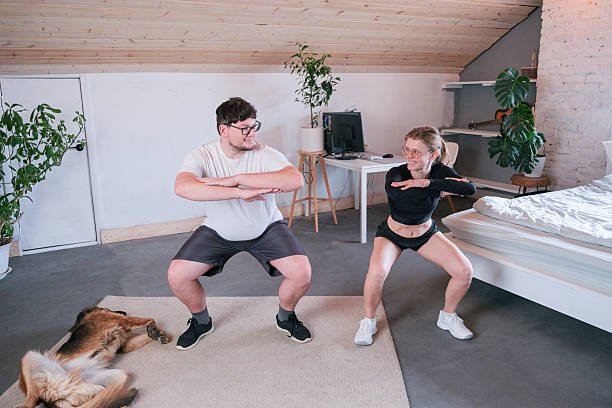
Maintaining physical fitness is just as important as academic success, especially for students who spend long hours studying. Due to busy schedules, limited budgets, or lack of access to gyms, many students skip exercise altogether. The good news is that you don’t need fancy equipment or a gym membership to stay healthy. A simple home workout for students can help build strength, boost energy, reduce stress, and improve concentration—all from the comfort of your room.
This guide shares easy, beginner-friendly exercises that students can follow daily without spending money or sacrificing study time.
Why Students Should Do Home Workouts
Regular physical activity offers many benefits for students:
- Improves focus and memory
- Reduces stress, anxiety, and exam pressure
- Boosts energy levels and stamina
- Helps maintain a healthy weight
- Improves posture and flexibility
Home workouts are perfect because they are flexible, time-saving, and easy to follow. Even 20–30 minutes a day can make a big difference.
Warm-Up: Start Your Workout the Right Way (5 Minutes)
Warming up prepares your body for exercise and helps prevent injuries.
Simple Warm-Up Exercises:
- Jumping Jacks – 1 minute
- Arm Circles – 30 seconds each direction
- Neck Rolls – 30 seconds
- High Knees – 1 minute
- Light Stretching – 1 minute
A proper warm-up increases blood flow and wakes up your muscles.
Simple Home Workout Routine for Students
This workout routine requires no equipment and is suitable for beginners.
1. Squats (Lower Body Strength)
Squats strengthen your legs, hips, and core.
How to do it:
- Stand with feet shoulder-width apart
- Lower your body as if sitting on a chair
- Keep your back straight
- Return to standing position
Reps: 15–20
Sets: 2–3
2. Push-Ups (Upper Body Strength)
Push-ups build chest, shoulder, arm, and core muscles.
Beginner Tip: Do knee push-ups if full push-ups are difficult.
Reps: 10–15
Sets: 2
3. Plank (Core Strength)
Planks strengthen your core and improve posture.
How to do it:
- Keep your body straight
- Support yourself on elbows and toes
- Engage your core
Time: 20–40 seconds
Sets: 2–3
4. Lunges (Leg and Balance Training)
Lunges help improve balance and leg strength.
How to do it:
- Step one foot forward
- Lower your hips until both knees are bent
- Switch legs
Reps: 10 each leg
Sets: 2
5. Mountain Climbers (Cardio + Core)
This is great for burning calories and boosting heart health.
How to do it:
- Start in plank position
- Bring knees toward chest alternately
Time: 30–40 seconds
Sets: 2
6. Crunches (Abdominal Strength)
Crunches target belly fat and core muscles.
Reps: 15–20
Sets: 2
Cool-Down and Stretching (5 Minutes)
Cooling down helps your muscles relax and prevents soreness.
Stretching Exercises:
- Standing hamstring stretch
- Shoulder stretch
- Child’s pose
- Deep breathing
Stretch slowly and breathe deeply to relax your body and mind.
Weekly Workout Plan for Students
Here’s a simple schedule you can follow:
- Monday: Full body workout
- Tuesday: Light cardio + stretching
- Wednesday: Strength workout
- Thursday: Yoga or flexibility exercises
- Friday: Full body workout
- Saturday: Light activity (walking or cycling)
- Sunday: Rest
Consistency matters more than intensity.
Tips to Stay Consistent with Home Workouts
- Set a fixed time for exercise
- Start with small goals
- Track your progress
- Stay hydrated
- Get enough sleep
- Combine workouts with healthy eating
Listening to music or working out with friends online can also keep you motivated.
Final Thoughts
A simple home workout for students is one of the best ways to stay fit, energetic, and mentally sharp without a gym. These easy exercises can be done in small spaces, require no equipment, and fit easily into a student’s daily routine. By staying consistent and active, students can improve not only their physical health but also their academic performance and overall well-being.
Start today—your body and mind will thank you!